Personalized Acupuncture Treatments: Methods and Advantages
Learn how custom acupuncture sessions can significantly benefit your health and overall wellness. This method focuses on certain areas, such as the modern use of ear acupuncture, and matches the ideas of traditional Chinese medicine to improve the body’s energy flow. This article looks at different methods and benefits of personalized acupuncture, showing how custom approaches can lead to better health results and a more enjoyable recovery process.
Key Takeaways:
Contents
- 1 Ways to Customize Acupuncture Treatments
- 2 Advantages of Personalized Acupuncture
- 3 Case Studies and Evidence
- 3.1 Examples of Effective Individualized Treatments
- 3.2 ## Research Supporting Individualized Methods Studies show that using methods designed for each person can lead to better results. Personalized methods consider individual differences, making the approach more effective. By focusing on the specific needs and situations of each person, these methods can provide more relevant and meaningful outcomes. Research highlights the importance of moving away from one-size-fits-all solutions and towards strategies that address the particular needs of individuals.
- 4 Acupuncture Efficacy Statistics 2024
- 5 Difficulties in Putting Custom Acupuncture into Practice
- 6 The Future of Personalized Acupuncture
- 7 Frequently Asked Questions
- 7.1 1. What are personalized acupuncture treatments?
- 7.2 2. What techniques are used in customized acupuncture treatments?
- 7.3 3. What advantages do acupuncture treatments offer when adjusted to fit a person’s specific health needs?
- 7.4 4. How long do custom acupuncture sessions last?
- 7.5 5. Is acupuncture treatment customized for each person suitable for everyone?
- 7.6 6. Is it possible to use personalized acupuncture treatments along with other types of medicine?
Definition of Personalized Acupuncture
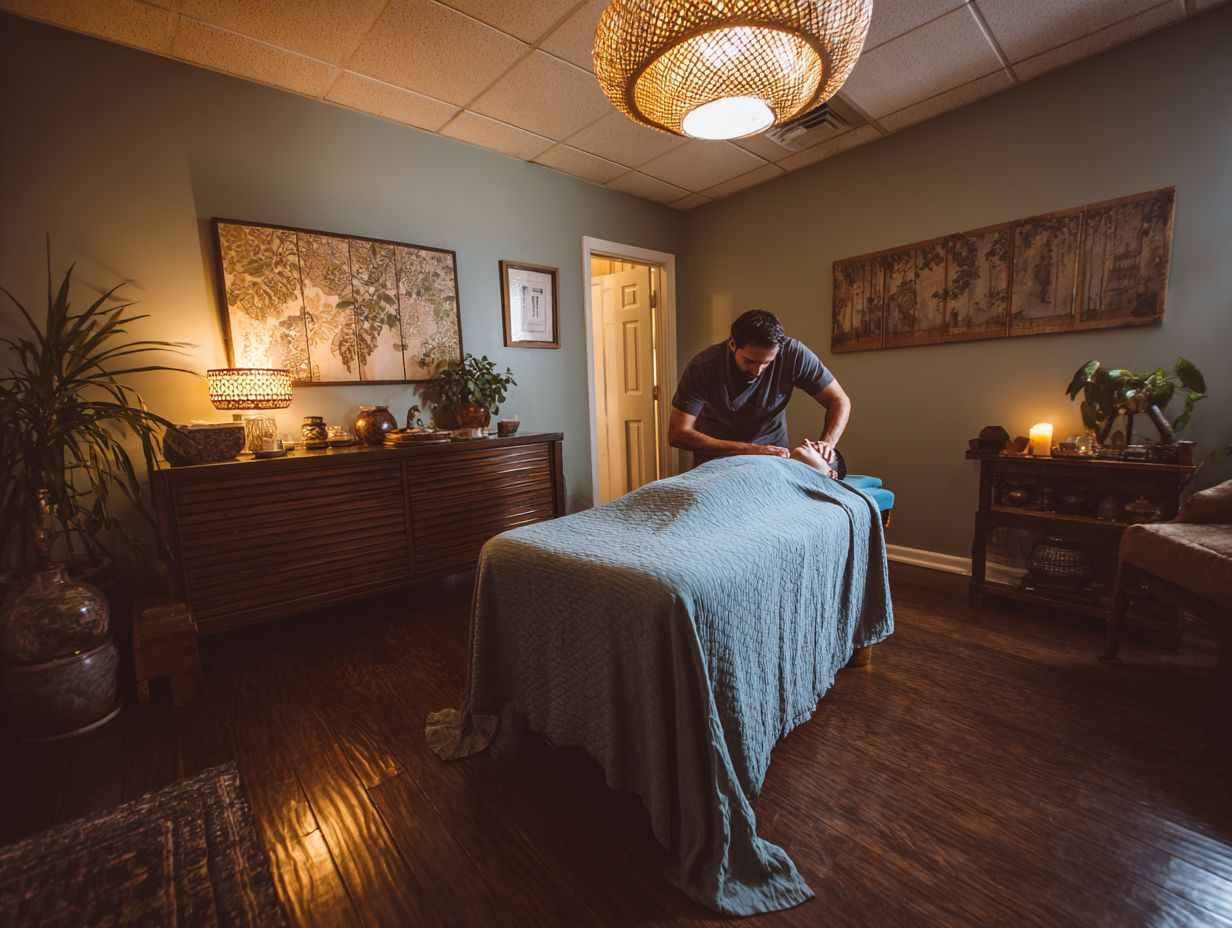
Personalized acupuncture adjusts treatment to match each person’s unique needs, likes, and health conditions.
Personalized acupuncture differs from the usual method by first thoroughly examining the patient’s physical and emotional state.
Practitioners may use methods like feeling channels to check energy movement and trigger point acupuncture to focus on certain pain spots. According to Verywell Health, these techniques are rooted in the principles of Traditional Chinese Medicine, which emphasize holistic approaches to health.
They often integrate lifestyle factors, recommending dietary adjustments or mindfulness practices that align with the acupuncture treatment.
This approach targets symptoms and boosts health, making every session helpful for the person’s wellness path.
Importance of Personalization in Acupuncture
Focusing on customizing acupuncture sessions makes energy flow better, which helps in treating long-term pain and managing stress more effectively.
Custom acupuncture techniques help increase patient participation and improve treatment outcomes.
For example, practitioners often assess individual lifestyle factors, medical history, and emotional states before tailoring their methods.
This alignment with Traditional Chinese Medicine (TCM) principles respects each patient’s unique energy patterns and treats specific ailments more effectively.
Techniques such as adjusting needle placement based on pulse diagnosis or incorporating herbal remedies specific to the patient’s condition can lead to more successful treatment outcomes.
This focus on personal needs builds confidence and encourages complete recovery.
Ways to Customize Acupuncture Treatments
Customized acupuncture begins with initial evaluations and changes over time to meet the patient’s changing needs.
Initial Assessment and Consultation
The first assessment includes a detailed discussion, usually taking 60-90 minutes, where health professionals collect the patient’s complete medical history and any health issues.
During this session, clinicians should ask targeted questions about the patient’s medical history, including any previous diagnoses, surgeries, and medications.
Things like what you eat, how active you are, and your sleep routine are important for health. Asking about daily habits can show their effects on well-being.
Using tools like the Health History Questionnaire and the Lifestyle Assessment form can make this process simpler.
Recording what patients hope to achieve is important because it helps shape the healthcare process and keeps patient and provider on the same page.
Tailoring Treatment Plans
Treatment plans are customized by selecting acupuncture points according to a person’s distinct symptoms and reactions, which often results in improved pain management.
To create effective treatment plans, first assess the patient’s health history and current symptoms.
For instance, if a patient reports chronic lower back pain, consider targeting points like Bladder 23 and Bladder 40.
While in the session, watch how the patient responds and change where or how deep the needle goes if necessary; this immediate feedback helps get the best results. Write down these changes to improve later meetings.
Tools like acupuncture charting software help track treatment results and monitor patient progress in an organized manner.
Use of Advanced Technology in Diagnosis
Modern tools such as biofeedback devices and pulse diagnosis technology help make acupuncture treatments more accurate and customized to each person.
For instance, biofeedback devices measure physiological responses like stress levels or muscle tension, allowing practitioners to tailor treatments more effectively.
Tools like the HeartMath Biofeedback System track stress levels and emotional well-being, helping acupuncturists make specific adjustments.
Pulse diagnosis technology can identify problems in the body’s energy flow, helping to determine where to place the needles. Additionally, smart electronic stimulators can enhance these treatments further by providing precise stimulation tailored to individual needs.
Healthcare workers can use these technologies to track treatment progress with clear measurements, ensuring modifications lead to optimal patient outcomes. This approach is supported by insights from the Whole Health Library, which discusses the role of biofeedback in enhancing treatment effectiveness.
Incorporating Patient History and Preferences
Incorporating patient history and preferences into treatment plans leads to a more meaningful therapeutic alliance between the patient and the acupuncture practitioner.
Knowing a patient’s medical history, such as past treatments, symptoms, and personal choices, helps doctors adjust their methods successfully.
For example, if a patient previously benefited from acupuncture for headaches but likes gentle methods, practitioners can adjust the needle’s depth and placement as needed.
Tools like patient intake forms and follow-up surveys can help gather this important information.
When doctors talk openly with patients about their habits and likes, they make sure treatments fit well, build trust, and lead to better results.
Adjusting Techniques Based on Individual Response
Practitioners monitor individual responses throughout treatment sessions, allowing them to adjust techniques, such as needle manipulation and pressure, for optimal outcomes.
For instance, if a patient reports increased discomfort during a session, the practitioner might reduce needle depth or alter the rhythm of needle insertion.
Using feedback tools like survey forms or real-time apps can improve this process. Practitioners should also observe physical responses, like muscle tension, to gauge effectiveness.
This method customizes treatment to fit each person’s needs, leading to better recovery and greater patient satisfaction.
Advantages of Personalized Acupuncture
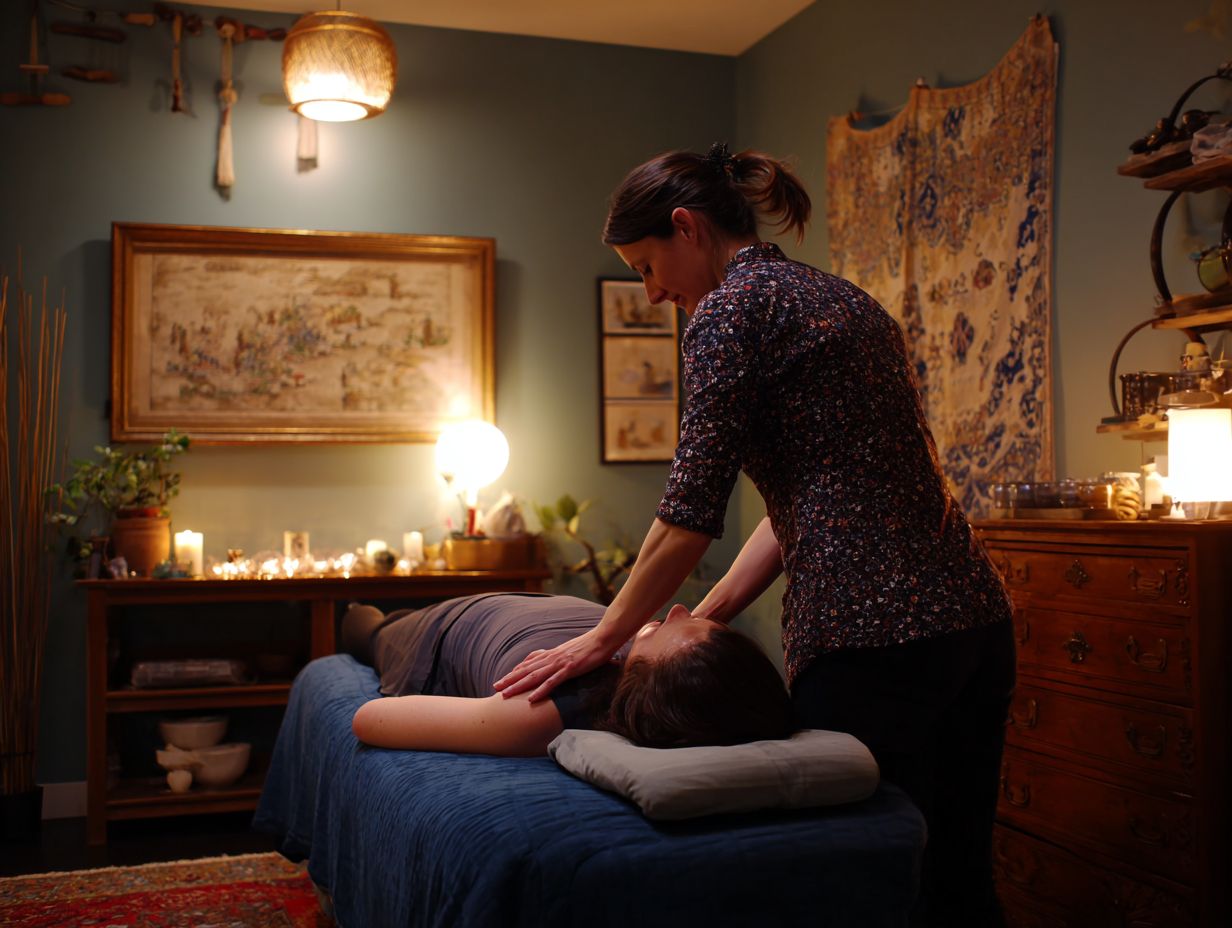
Custom acupuncture offers important benefits, such as better results and higher patient satisfaction compared to older methods. For those curious about the effectiveness of acupuncture practices, research into how acupuncture mechanisms alleviate pain provides valuable insights.
Improved Treatment Outcomes
Studies show that acupuncture designed for each person can make treatment outcomes better by 30-50%, especially for ongoing pain relief.
In a 2020 study published in the Journal of Pain, researchers found that patients who received customized acupuncture experienced significantly less lower back pain than those who received standard treatment.
Doctors typically assess what a person needs by examining their medical history, the intensity of their pain, and their emotional state. Tools such as patient questionnaires and tracking apps like MyAcupuncture improve this process by allowing practitioners to modify treatments immediately.
Personalized acupuncture addresses both physical issues and mental health conditions.
Enhanced Patient Satisfaction
Patient satisfaction scores have increased by 40% with personalized acupuncture techniques, as patients feel more engaged in their health care.
Doctors are using patient data to develop better treatment plans. For instance, integrating surveys can pinpoint patient preferences and experiences, allowing acupuncturists to adjust techniques based on individual responses.
Tools like SimplePractice help with managing appointments and taking notes, making it easier to track patient concerns over time. Testimonials reveal uplifted spirits when patients notice their unique feedback being applied.
By focusing on personalization, clinics are improving care and building strong relationships with patients, which results in higher retention rates.
Reduced Risk of Side Effects
By personalizing treatment plans, doctors can greatly lower the chance of side effects, with reported cases decreasing by up to 25% in individualized practices.
This reduction is accomplished by carefully evaluating patients and using customized methods.
Practitioners can review a patient’s medical history and sensitivities to choose the right acupuncture points, reducing discomfort and improving results.
Using shallower needle insertions for patients likely to bruise can improve safety.
Research indicates that patients with customized treatments are happier because they experience fewer negative effects and find relief from their conditions.
Investing time in individual evaluations proves beneficial for both patient experience and treatment outcomes.
Greater Engagement in the Healing Process
Patients receiving customized treatments show 30% more dedication to their recovery, leading to an active attitude towards health.
Personalized methods encourage patients to engage by making decisions jointly, using clear communication, and planning regular follow-ups.
For example, using patient management tools like MyChart helps health professionals create specific treatment plans and send individual health advice.
Using motivational interviewing methods can help patients express their goals and worries.
Successful examples include support groups that collectively address individual challenges, leading to improved health outcomes.
When healthcare providers acknowledge each patient’s individual experiences, they can improve their dedication and responsibility towards their health.
Case Studies and Evidence
Examples from real life show clear proof of the success and need for customized acupuncture in addressing various health problems. For those interested in specific conditions, our deep dive into acupuncture for rheumatoid arthritis details its effectiveness and offers practical recommendations.
Examples of Effective Individualized Treatments
Some clinics have reported positive outcomes with acupuncture designed for individual needs. One patient experienced a 70% reduction in chronic pain after 6 weeks of targeted treatments.
This patient underwent an initial assessment to identify key symptoms and triggers. The practitioner developed a custom treatment plan with sessions scheduled twice a week, focusing on specific acupuncture points connected to her pain.
For instance, the use of ear acupuncture for anxiety coupled with traditional body points improved her overall well-being. After the treatment time, continued sessions supported her progress and resulted in her pain dropping by 70% and better movement.
## Research Supporting Individualized Methods Studies show that using methods designed for each person can lead to better results. Personalized methods consider individual differences, making the approach more effective. By focusing on the specific needs and situations of each person, these methods can provide more relevant and meaningful outcomes. Research highlights the importance of moving away from one-size-fits-all solutions and towards strategies that address the particular needs of individuals.
Research from places like the Mayo Clinic shows that specific acupuncture techniques can help people recover more effectively from stress, as outlined in their comprehensive guide on acupuncture.
These specific methods often begin with a thorough assessment, including the patient’s medical history and specific stress triggers.
For instance, practitioners may employ a method known as the Traditional Chinese Medicine (TCM) model, which tailors acupuncture points based on individual symptoms. Studies show that patients receiving customized treatments report a 40% greater reduction in stress levels compared to standardized protocols.
Using tools like patient surveys and biofeedback can improve this customization, leading to much better treatment results.
Acupuncture Efficacy Statistics 2024
Acupuncture Efficacy Statistics 2024

Examining Acupuncture Research: Typical Count of Randomized Controlled Trials in Each Detailed Review
Acupuncture Evidence Reassessment: Level of Confidence in Evidence
Acupuncture Evidence Reassessment: Effectiveness of Acupuncture
Acupuncture Evidence Reassessment: Insurance Coverage
The Acupuncture Efficacy Statistics 2024 offers a complete look at the review of how well acupuncture works, showing its increasing acceptance and use in healthcare systems. This analysis uses detailed reviews, trust in the evidence, and the widespread use of acupuncture as a practical treatment choice.
Acupuncture Evidence Reassessment illustrates a clear rise in the average count of Randomized Controlled Trials (RCTs) included in each systematic review, with the number growing from 11.0 RCTs in 2014 to 19.5 RCTs in 2024. This increase shows stronger evidence, reflecting more thorough research to assess the effectiveness of acupuncture.
- Level of Confidence in Evidence: Over the decade, there has been a shift in the confidence levels of the evidence supporting acupuncture. In 2014, the confidence levels were distributed as 13 studies with high confidence, 25 with moderate confidence, and 5 with low confidence. By 2024, a notable decline in moderate confidence to 4, along with an increase in low confidence to 16 and the introduction of 3 studies with very low confidence, indicates a reevaluation of the quality and outcomes of past research.
Effectiveness of Acupuncture: The reassessment shows a positive trend, increasing from 20 reports of acupuncture being effective or potentially effective in 2014 to 29 in 2024. Simultaneously, the number of studies reporting an unclear effect has significantly decreased from 23 to 5, suggesting that improved research methodologies are clarifying previously uncertain results.
Insurance Coverage: In 2010, 42% of hospitals offered acupuncture services, while 65% provided integrative therapies for pain management. Between 1998 and 2006, there was a 25% Hospitals are increasingly providing combined therapies, showing more acceptance of additional treatments like acupuncture. This change is probably due to patient interest and changing views on health care methods.
Overall, the Acupuncture Efficacy Statistics 2024 shows more people are accepting acupuncture as a method for treatment. The increase in the number of RCTs and the reported success rates indicate positive prospects for acupuncture. However, the confidence levels indicate that more high-quality research is needed to confirm these results.
Difficulties in Putting Custom Acupuncture into Practice
Although it offers many benefits, using customized acupuncture faces challenges such as standardizing methods and needing additional training.
Standardization vs. Individualization
The tension between standardization of acupuncture practices and individualization of treatment approaches can hinder effective implementation in some clinics.
Using the same methods can make treatment plans consistent and quicker. For example, clinics like True Health in Vancouver use a structured approach, leading to predictable outcomes for common conditions.
Individualization recognizes the unique needs of each patient. Practitioners at the Golden Needle Clinic in New York adjust treatments based on specific patient feedback, achieving high satisfaction rates.
Finding the right mix of these methods often needs continuous training and flexibility, creating a setting where both systems can work well together.
Training and Expertise of Practitioners
It’s important for acupuncture practitioners to have solid training and knowledge. Advanced certifications require more than 3 years to complete, which helps maintain quality care for patients.
People should consider getting a master’s degree in acupuncture or traditional Chinese medicine. This program usually involves more than 1,500 hours of practical training.
After obtaining the initial certification, ongoing education is required. Many states require 30 hours every two years. Practitioners can improve their abilities by attending workshops on advanced methods, herbal medicine, or pain management strategies.
Organizations like the National Certification Commission for Acupuncture and Oriental Medicine (NCCAOM) offer resources and courses, ensuring practitioners remain updated on the latest best practices and research in the field.
The Future of Personalized Acupuncture
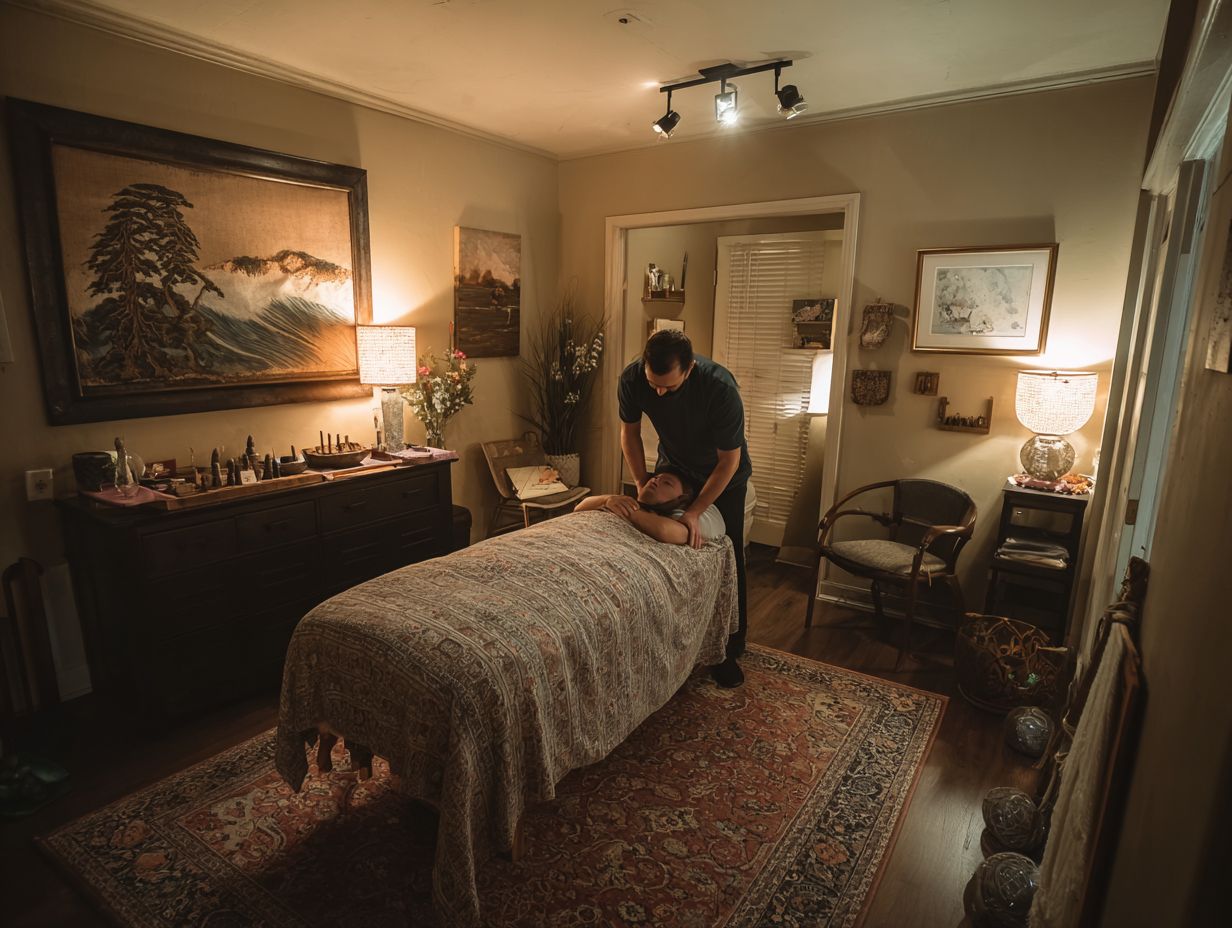
Personalized acupuncture is expected to improve due to new treatment methods and technologies that improve patient outcomes. These advancements also offer insights into the mechanisms and methods of acupuncture for pain relief, highlighting its potential in personalized care.
Innovations in Treatment Methods
Electro-acupuncture and mobile apps for monitoring treatment are changing how acupuncture is customized for each person.
Electro-acupuncture applies small electrical currents to traditional acupuncture needles, significantly improving their effectiveness in relieving pain and relaxing muscles.
Mobile apps like KHealth and AcuGraph let patients track their symptoms, get personalized treatment advice, and directly talk to healthcare professionals. These tools enable practitioners to tailor treatment plans more effectively, leading to better patient outcomes.
Wearable devices that track stress can instantly change acupuncture treatments, offering a personalized experience and helping overall health.
Potential for Integration with Other Therapies
Combining customized acupuncture with treatments like massage and physical therapy can provide combined advantages for patients looking for complete healing.
For instance, a patient with chronic back pain might receive acupuncture sessions to alleviate muscle tension while concurrently undergoing physical therapy to improve strength and flexibility.
This combination helps with immediate symptoms and supports ongoing healing. A successful model is the integration of acupuncture in cancer care, where it complements chemotherapy by reducing nausea and improving overall well-being.
Doctors often find that using different methods improves patient happiness and results, creating a better way to recovery.
Summary of Key Points
The main elements of personalized acupuncture are how well it works, the involvement of patients, and the need for experienced professionals to provide custom treatments.
To perform acupuncture customized for each person, practitioners must collect detailed patient information, such as daily habits, preferences, and particular health issues.
Using tools like intake questionnaires or electronic health records can improve this process. Practitioners should regularly change treatment plans according to patient feedback and visible results. Methods like checking pulse or examining the tongue can offer more information.
This method increases patient involvement and improves treatment results, ensuring therapies meet each person’s specific needs.
Frequently Asked Questions
1. What are personalized acupuncture treatments?
Acupuncture treatments are adjusted specifically for each person’s needs. This means that the acupuncturist will take into account your unique health history, current symptoms, and overall constitution to create a treatment plan that is most effective for your body.
2. What techniques are used in customized acupuncture treatments?
The approach for acupuncture can differ based on what each person needs. Some common methods include traditional needle acupuncture, cupping, herbal medicine, and dietary adjustments. Your acupuncturist will determine the best combination of methods for your specific treatment plan.
3. What advantages do acupuncture treatments offer when adjusted to fit a person’s specific health needs?
The key benefit of personalized acupuncture treatments is that they are customized for your individual needs, resulting in better and faster outcomes. Personalized treatments can handle several health issues at the same time, improving overall health and balance in the body.
4. How long do custom acupuncture sessions last?
The length of acupuncture sessions depends on the individual’s health issue and the methods used. Typically, an initial session can last anywhere from 60-90 minutes, while follow-up sessions may be shorter. Your acupuncturist will discuss the expected length of your treatments during your initial consultation.
5. Is acupuncture treatment customized for each person suitable for everyone?
Acupuncture treatments that are customized for each person can help individuals of any age and health status. However, you should talk to a licensed acupuncturist to see if it is the right treatment for you. They will check for any reasons not to use or be careful with certain treatments before making a treatment plan just for you.
6. Is it possible to use personalized acupuncture treatments along with other types of medicine?
Yes, custom acupuncture treatments can be used along with other types of medicine. It’s a good idea to tell your acupuncturist about other treatments or medications you are using to avoid any possible interactions. Acupuncture can also complement western medicine and may be used as a complementary therapy for certain health conditions.

Sheetal Sharda has a background in CS. She got an interest in Holistic living back in 2018, and has since started exploring more into Naturapathy, Holistic Living, Yoga, and more. She got inspired to start SereneClinics to help people find reliable centers across the world.